
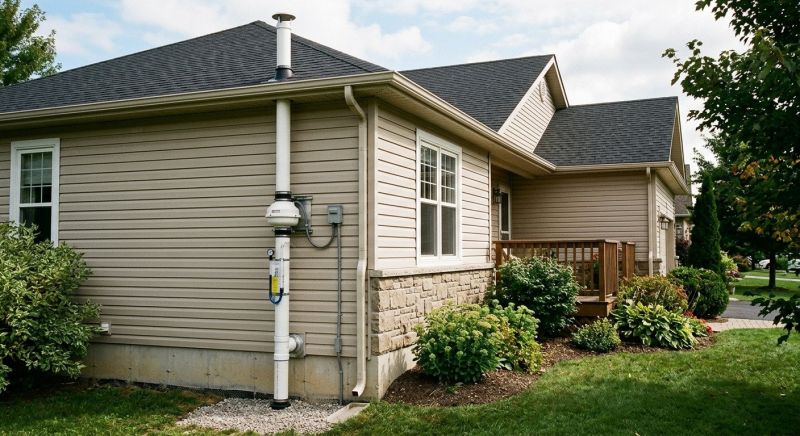
Radon Gas Abatement in Chicago, IL
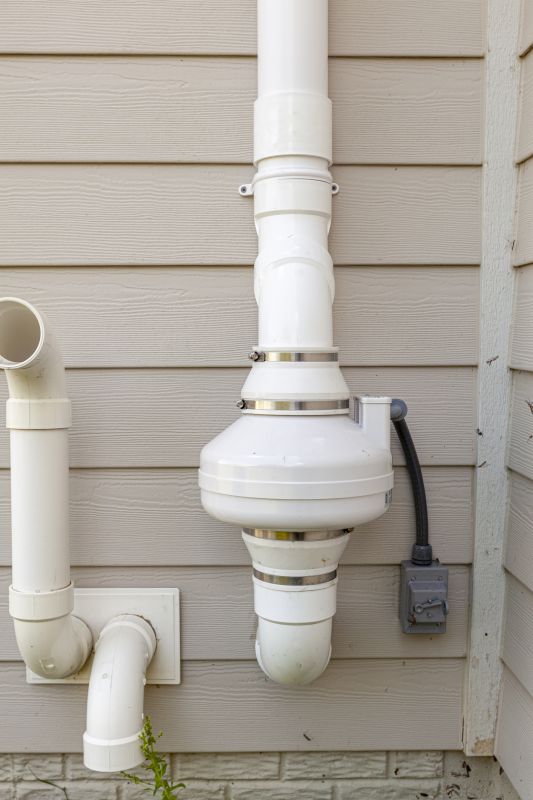
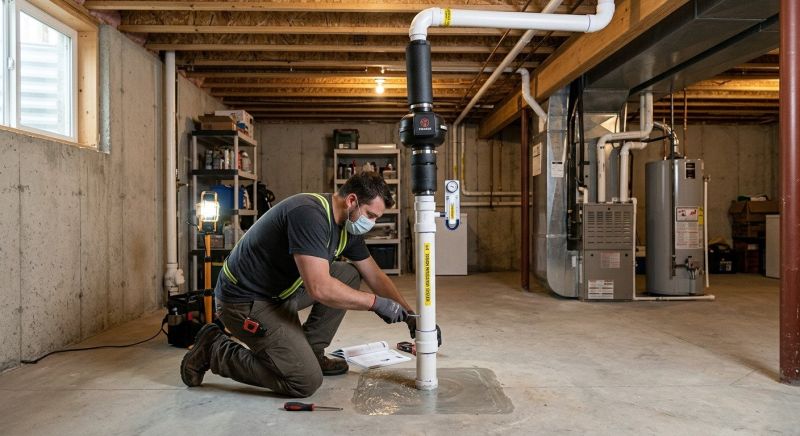
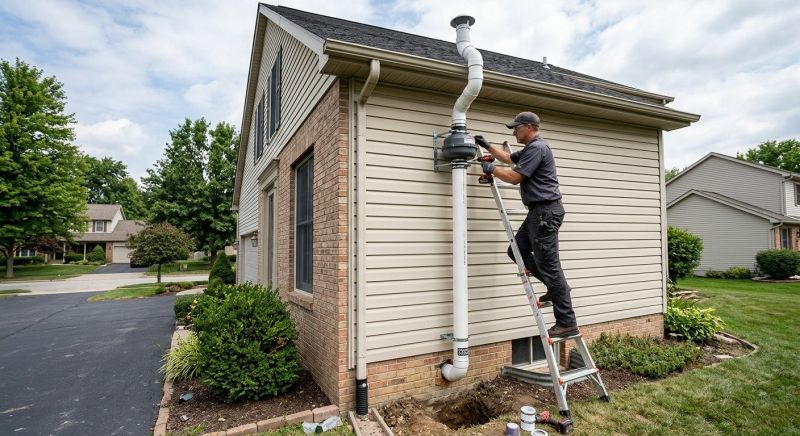
Radon gas abatement services focus on reducing indoor radon levels to improve air quality and promote a healthier living environment. These services typically involve assessing the property for radon presence, installing mitigation systems such as vent pipes and fans, and ensuring proper sealing of entry points to prevent radon infiltration. Projects often include homes, basements, crawl spaces, and other areas where radon accumulation might pose health concerns. Property owners interested in radon abatement usually want to understand the extent of radon levels in their property, the methods used to reduce it, and the potential benefits of installing a mitigation system.
Before requesting radon gas abatement, property owners should consider factors like the size and layout of the property, existing ventilation systems, and any previous radon testing results. It is helpful to know whether the property has had radon levels measured and if any local regulations or guidelines apply. Understanding these details can assist in determining the most appropriate mitigation approach and ensure the system is effectively tailored to the specific needs of the property. Contacting a professional can provide guidance on assessing radon risks and implementing appropriate solutions.
Many property owners in Chicago, IL look into Radon Gas Abatement for repairs, replacements, upgrades, and appearance-related improvements.
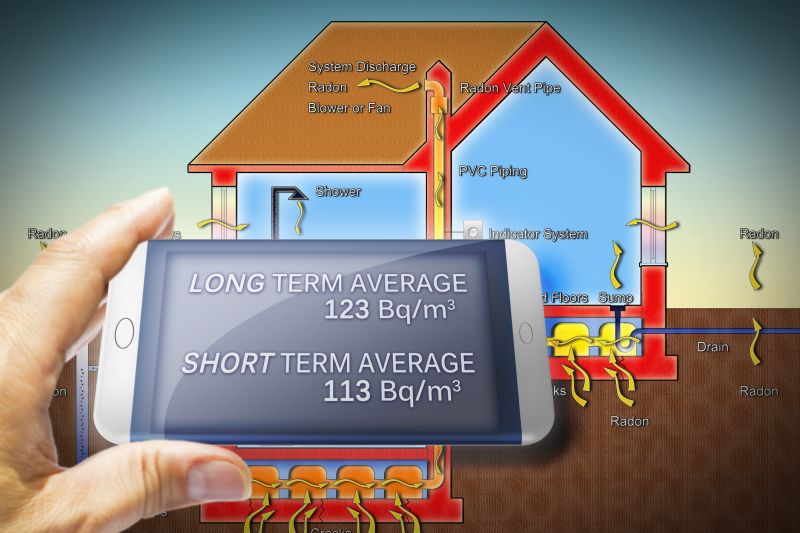
Understanding Radon Risks
Radon gas can accumulate indoors, posing health risks for homeowners in chicago and nearby areas.
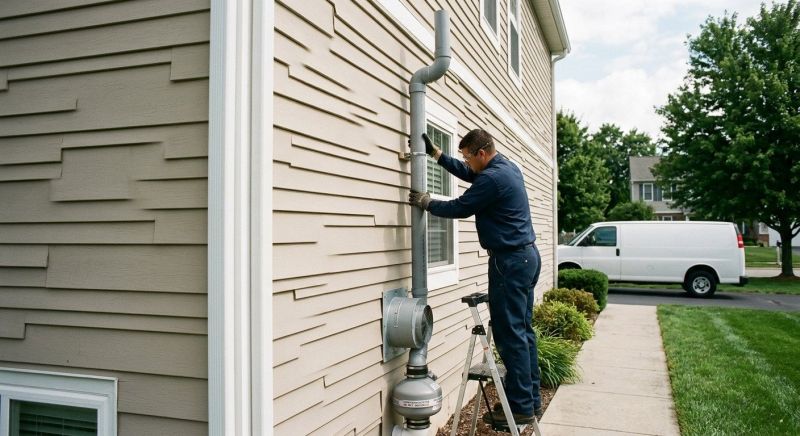
Effective Abatement Solutions
Proper radon mitigation involves sealing entry points and installing ventilation systems to reduce indoor levels.
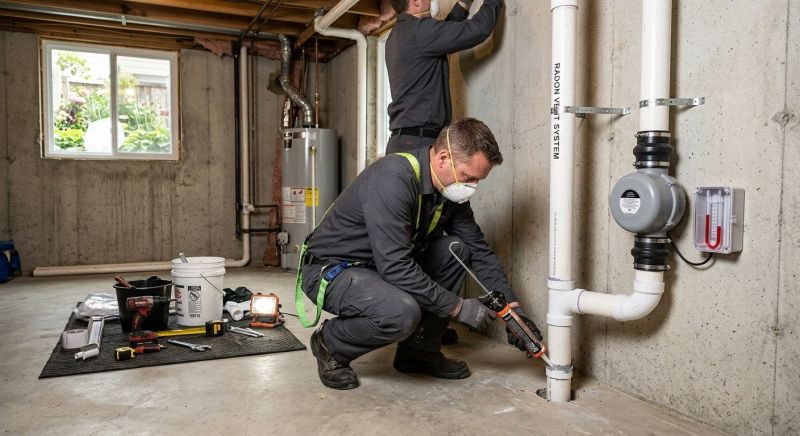
Home Inspection & Testing
Testing is essential to determine radon levels and ensure your property remains safe for residents.
Radon Gas Abatement in Chicago, IL

Radon gas abatement services focus on reducing indoor radon levels to improve air quality and promote a healthier living environment. These services typically involve assessing the property for radon presence, installing mitigation systems such as vent pipes and fans, and ensuring proper sealing of entry points to prevent radon infiltration. Projects often include homes, basements, crawl spaces, and other areas where radon accumulation might pose health concerns. Property owners interested in radon abatement usually want to understand the extent of radon levels in their property, the methods used to reduce it, and the potential benefits of installing a mitigation system.
Before requesting radon gas abatement, property owners should consider factors like the size and layout of the property, existing ventilation systems, and any previous radon testing results. It is helpful to know whether the property has had radon levels measured and if any local regulations or guidelines apply. Understanding these details can assist in determining the most appropriate mitigation approach and ensure the system is effectively tailored to the specific needs of the property. Contacting a professional can provide guidance on assessing radon risks and implementing appropriate solutions.
Many property owners in Chicago, IL look into Radon Gas Abatement for repairs, replacements, upgrades, and appearance-related improvements.
Common Radon Gas Abatement Jobs
Radon mitigation systems - installations designed to reduce radon levels in residential properties.
Sub-slab depressurization - a common method to vent radon from beneath the foundation.
Sealant application - to close cracks and openings that allow radon entry.
Foundation ventilation - improvements to increase airflow and reduce radon accumulation.
Soil gas venting - systems that safely direct radon away from indoor spaces.
Radon testing and analysis - to identify radon levels and evaluate the effectiveness of abatement measures.
Radon Gas Abatement Questions
What is radon gas abatement? Radon gas abatement involves reducing radon levels in a property to improve indoor air quality and safety.
When should property owners consider radon mitigation? Radon mitigation is recommended when indoor radon levels exceed safety thresholds or during home renovations.
How does radon gas enter a building? Radon typically enters through cracks in foundations, gaps around pipes, and other openings in the building’s structure.
What methods are used for radon gas abatement? Common methods include soil suction systems, vent pipes, and sealing entry points to reduce radon infiltration.
Request Radon Gas Abatement in Chicago, IL
Use the quote form on this page to share the basics of your project and request more information for the type of work you need.